Growing vegetables all year isn't just a dream for avid gardeners; it's entirely possible with the right strategies. You can enjoy fresh produce from your garden through every season, even when temperatures drop. This means fewer trips to the grocery store and a more consistent supply of homegrown food.
Quick answer: You can grow vegetables year-round by combining frost-tolerant plant varieties with season-extension techniques like cold frames and succession planting. Expect to harvest leafy greens and root vegetables through winter, with careful planning allowing for a continuous supply of produce for up to 10-11 months in many temperate zones.
Extending Your Growing Season
Many gardeners assume their growing season ends with the first hard frost. That's not true. With a few simple tools and techniques, you'll significantly extend your harvest. Think about using structures that protect plants from cold and wind.
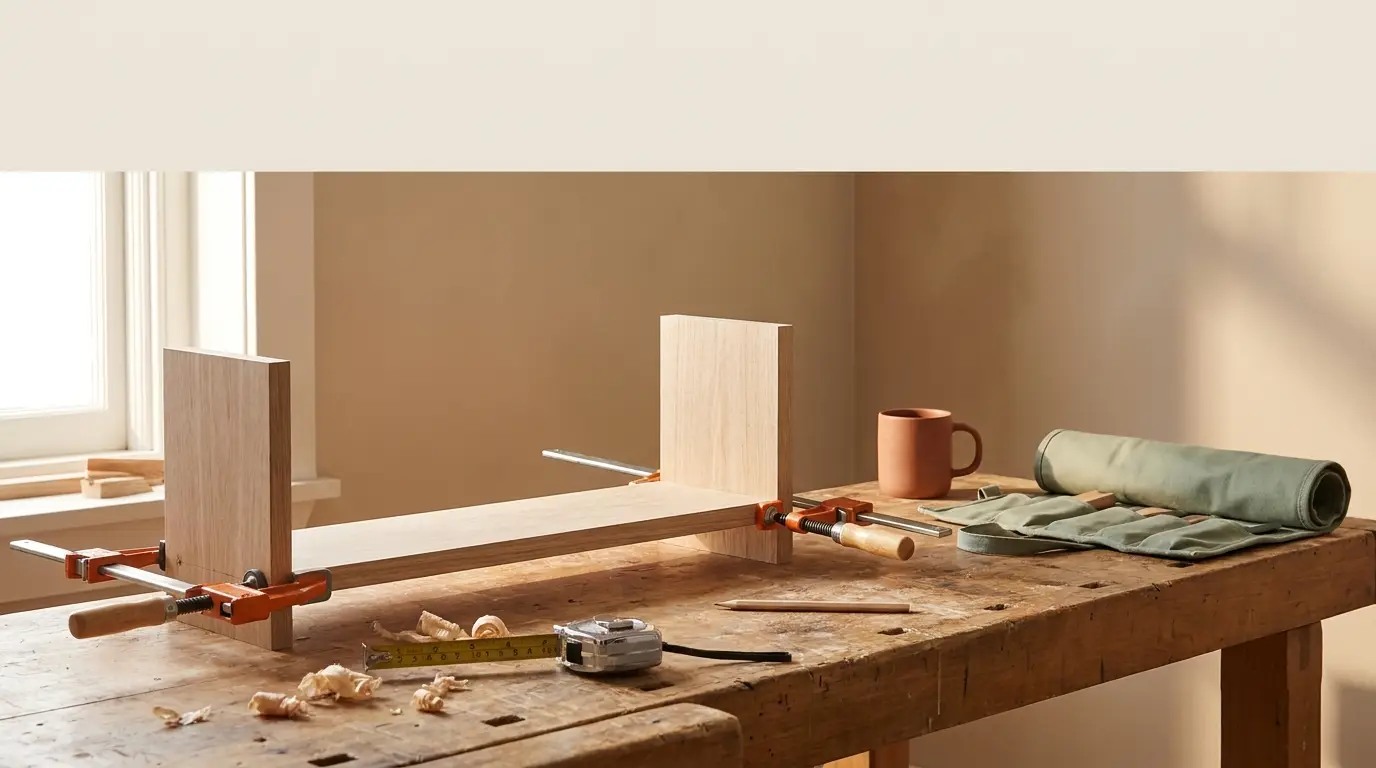
One popular method is using a cold frame. These low structures, often made from wood and clear polycarbonate panels, trap solar heat, creating a microclimate that's several degrees warmer than the outside air. You'll find plans for DIY cold frames that cost as little as $50-$75 using reclaimed materials. The University of Vermont Extension suggests cold frames can extend the season by 4-6 weeks in spring and fall, potentially allowing harvests into early winter. Another simple option is a row cover, which is a lightweight fabric draped over plants. It offers 2-4°F (1-2°C) of frost protection and shields against pests, too. For instance, a 1.5 oz/yd² (50 g/m²) row cover will protect plants down to 28°F (-2°C).
Don't forget about succession planting. This technique involves planting small batches of seeds every 2-3 weeks instead of planting an entire crop at once. It ensures a continuous harvest rather than a single, overwhelming bounty. For example, if you plant lettuce every two weeks from April to September, you'll have fresh heads ready for picking throughout the entire period. You'll want to adjust your planting schedule based on the "days to maturity" listed on your seed packets. For fast-growing crops like radishes (25-30 days) and spinach (28-40 days), this method works exceptionally well. Consider exploring the best gardening apps for plant care to help manage these staggered plantings.
Best Plants for Year-Round Harvests
Choosing the right plants is just as important as the techniques you use. Some vegetables naturally tolerate colder temperatures better than others, making them ideal candidates for extended seasons. You'll want to focus on cool-season crops and certain root vegetables.
Leafy greens are often the stars of winter gardens. Varieties like 'Winterbor' kale can withstand temperatures down to 10°F (-12°C) without significant damage. Spinach, especially varieties like 'Tyee' or 'Bloomsdale Long Standing', continues producing leaves even under a layer of snow. Lettuce, particularly romaine and butterhead types, can also tolerate light frosts. You'll find that a small head of 'Buttercrunch' lettuce can survive several nights at 25°F (-4°C) if protected by a cold frame. Mâche (corn salad) is another excellent choice; it's incredibly cold-hardy and can often be harvested directly from unprotected garden beds in mild winter climates, growing well below 20°F (-7°C).
Root vegetables are another category you shouldn't overlook. Carrots, parsnips, and beets can be left in the ground well into winter in many zones. A thick layer of straw mulch, 15-20 cm (6-8 in) deep, will protect them from freezing and make them easier to dig up when you're ready to eat them. Many gardeners find that a light frost actually improves the flavor of root vegetables, making them sweeter. For instance, 'Danvers 126' carrots stored in the ground and mulched can last until February in USDA Zone 6. You'll also discover that some annuals vs. Perennials garden design principles apply here, as perennial herbs like thyme and sage also offer year-round harvests.
Indoor Growing Options
When outdoor conditions become too harsh, you'll want to move your gardening efforts indoors. This is where indoor growing systems really shine, providing a controlled environment for continuous production. You don't need a massive setup; even a small corner can become a productive space.
Container gardening is the simplest indoor method. You can grow herbs like basil, mint, and cilantro, along with smaller vegetables like cherry tomatoes ('Micro Tom' or 'Tiny Tim') and dwarf peppers. You'll need good drainage in your pots and a quality potting mix. For best growth, place these containers near a south-facing window, ensuring they receive at least 6 hours of direct sunlight daily. If natural light is insufficient, consider using grow lights. A 40-watt LED grow light, costing around $30-$50, can provide the necessary spectrum for healthy plant development, allowing you to grow leafy greens like 'Red Sails' lettuce even in a dark basement.
Hydroponics and aeroponics are more advanced, but highly efficient, indoor growing systems. These methods grow plants without soil, using nutrient-rich water solutions instead. They often result in faster growth and higher yields compared to traditional soil gardening. A basic countertop hydroponic system, such as the AeroGarden Sprout, costs about $80-$100 and can grow up to three plants at once, providing fresh herbs or lettuce every few weeks. These systems recycle water, using up to 90% less water than conventional gardening. It's a great way to maximize your yield in a small space.
Planning for Continuous Harvest
Effective planning is the backbone of year-round vegetable gardening. You can't just throw seeds in the ground and hope for the best; you'll need a clear strategy. This involves understanding your local climate, selecting appropriate varieties, and managing your planting schedule.
Start by knowing your average first and last frost dates. These dates define your primary outdoor growing season and help you plan when to start seeds indoors or deploy season extension tools. For example, if your last frost is May 1st and your first is October 15th, you've about 5.5 months of warm-season growing. You'll extend this by starting heat-loving crops like tomatoes indoors 6-8 weeks before May 1st, potentially in early March. For cool-season crops, you can plant them 4-6 weeks before the last frost, pushing your spring harvest earlier. The USDA Plant Hardiness Zone Map provides excellent guidance for this, though local microclimates can vary.
Consider a garden journal or a dedicated gardening app to track your planting dates, harvest times, and success rates. This data will be invaluable for improving your planning each year. You'll want to note which varieties performed best in your specific conditions and which protection methods were most effective. For instance, did your 'Detroit Dark Red' beets overwinter well under straw, or did they freeze? Gardeners who kept detailed records increased their annual harvest yield by an average of 15% within three years. Don't forget about pest control, as indoor and protected environments can still attract unwanted guests.
Sources
- University of Vermont Extension. "Cold Frame Basics." Accessed August 19, 2026.
- University of Arizona Controlled Environment Agriculture Center. "Hydroponics Explained." Published 2023.
- Gardeners' World Magazine. "The Benefits of Garden Journaling." Published 2024.
FAQ
What's the best vegetable for year-round growing?
Leafy greens like spinach, kale, and lettuce are excellent choices. They tolerate cooler temperatures and can be harvested repeatedly. Many varieties, such as 'Tyee' spinach, mature in just 28-35 days, allowing for quick succession planting, ensuring you don't run out.
Can I really grow vegetables in winter without a greenhouse?
Yes, you certainly can. Cold frames, cloches, and even row covers provide enough protection for many cool-season crops. You'll find that root vegetables like carrots and parsnips can overwinter in the ground under a thick layer of mulch, ready for harvest in early spring, often sweeter after a frost.
How much do cold frames cost to build?
A basic DIY cold frame can cost as little as $50-$75, especially if you use reclaimed lumber and polycarbonate panels. Pre-built models can range from $150 to $400, depending on size and materials. You'll save money by sourcing materials carefully and building it yourself.