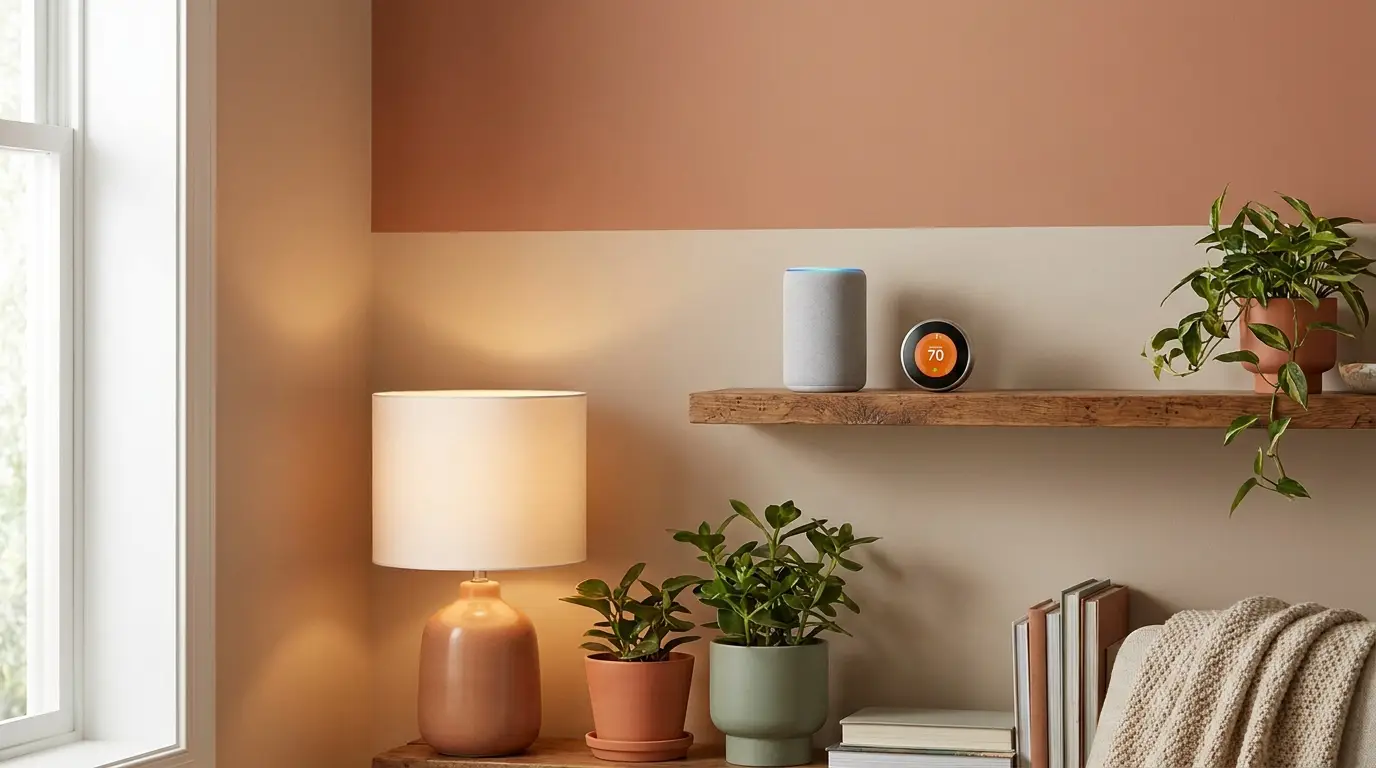
The cold and dry conditions of winter can be challenging for houseplants. Reduced light, lower humidity, and fluctuating temperatures can stress even the hardiest species. If you’ve ever found your favorite fiddle-leaf fig dropping leaves or your pothos looking limp, you know what we’re talking about. But don’t worry, there are simple adjustments you can make to keep your houseplants healthy all winter long.
Adjust Your Watering Routine
Watering is the most common issue during winter, and it’s easy to overdo it. Cooler temperatures slow down plant growth, which means they need less water. Overwatering can lead to root rot, a common plant killer.
Test the soil before watering. If the top inch of the soil feels dry, it’s time to water. Otherwise, skip it. During winter, most houseplants require watering every 10-14 days, but this can vary depending on the plant type. Succulents and cacti may only need watering once a month.
Placement matters too. Avoid letting water collect in the saucer under your pot. Excess moisture can create the perfect environment for fungal growth. Not always.
If your tap water contains too many minerals, consider using distilled water. Some plants, like peace lilies and calatheas, are sensitive to salts and chemicals in tap water. At $0.99 per gallon, distilled water can be a simple solution for happier plants.
Maintain Ideal Light Conditions
Winter days are shorter and darker, which means less natural light for your plants. For tropical species like monstera, this can lead to leggy growth and pale leaves. Here’s why: plants rely on light for photosynthesis, and reduced light output means reduced energy production.
Move your plants closer to windows to maximize light exposure. South-facing windows usually offer the most sunlight during winter, but east-facing windows can work for morning light. If natural light isn’t enough, invest in grow lights. A good option is the GE Grow Light LED, which costs around $25 and provides full-spectrum lighting.
Dust can block sunlight too. Wipe leaves with a damp microfiber cloth every few weeks to remove dirt buildup. It’s quick. Takes just a minute or two.
Avoid sudden changes in light exposure. Plants don’t respond well to abrupt transitions, so if you’re moving them closer to a window, do it gradually over several days. This prevents shock, especially for light-sensitive species like orchids. Learn more about orchid care for winter.
Increase Humidity Levels
Indoor heating systems tend to dry out the air, leaving your plants thirsty for humidity. Most houseplants prefer humidity levels between 40% and 60%, but central heating can drop indoor humidity to as low as 20%. That’s a problem for moisture-loving plants like ferns and calatheas.
Use a hygrometer to monitor humidity levels in your home. If the air is too dry, a small humidifier can make a big difference. The Levoit LV600HH Hybrid Ultrasonic Humidifier, priced around $89, is a solid choice for maintaining best humidity levels.
Another easy solution is grouping plants together. This creates a microclimate with higher humidity. You can also place a shallow tray of water filled with pebbles under your pots. The evaporating water adds moisture to the air naturally.
Misting can help, but it’s not always enough for tropical plants. If you do mist, use a fine spray mister like the Haws Mist Sprayer ($34) to avoid water pooling on leaves. Over-misting can lead to fungal issues, so don’t overdo it. Check this guide on plant misters.
Control Temperature and Airflow
Houseplants are sensitive to temperature extremes. Most thrive between 65°F and 75°F, but drafts from windows or heat from radiators can cause stress. The key is consistency: avoid placing plants near heating vents, doors, or windows that open frequently.
Use draft stoppers for windows to maintain a stable temperature. If your home gets chilly at night, consider a heat mat like the VIVOSUN Seedling Heat Mat ($16). It’s compact and helps maintain root warmth for sensitive plants.
Airflow matters too. Poor ventilation can lead to stagnant air, which increases the risk of mold. While you don’t want direct blasts of cold air, gentle airflow from a small fan can keep the air circulating. Move the fan periodically to avoid drying out one side of your plants.
If you notice slow growth or yellowing leaves, your plant may be too cold. Check the temperature near its location with an infrared thermometer ($12). Plants like snake plants can tolerate cooler conditions, but tropical varieties will struggle below 60°F. See how fertilizers can help combat winter stress.
FAQ
How often should I water houseplants in winter?
Watering needs vary, but most houseplants only need watering every 10-14 days. Check the soil moisture before watering. Some species, like succulents, can go up to a month without water.
What’s the ideal temperature for houseplants in winter?
Most houseplants thrive at temperatures between 65°F and 75°F. Avoid placing them near heating vents or drafty windows, as extreme temperature fluctuations can stress the plants.
Do houseplants need fertilizer during winter?
Generally, houseplants don’t need fertilizer in winter because their growth slows. However, light feeders like African violets can benefit from a diluted liquid fertilizer, such as Miracle-Gro ($8), every 6 weeks.
How can I increase humidity for houseplants?
Use a humidifier, group plants together, or place a water-filled tray with pebbles under the pots. Humidity levels between 40% and 60% are ideal for most tropical plants.
Can I use tap water for my houseplants?
Tap water is fine for many plants but may harm sensitive ones like calatheas or orchids due to mineral buildup. Distilled water ($0.99 per gallon) is a safer option for sensitive species.